
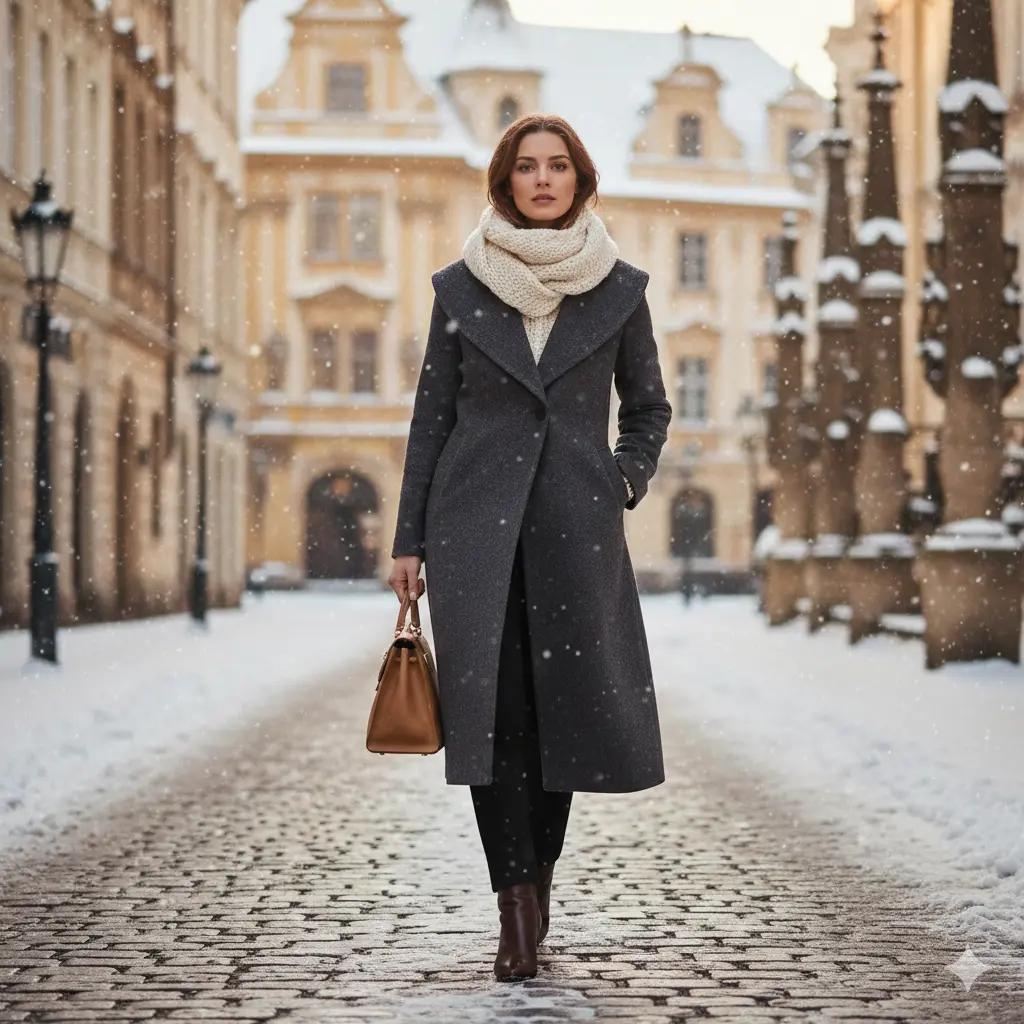
Winter travel outfits for Europe require smart layering, practical fabrics, and city-specific styling — especially when temperatures can drop below freezing in places like Paris, Rome, and alpine regions of Switzerland. European winters aren’t just cold — they’re often windy, damp, and unpredictable.
If you’re planning a winter trip between November and March, knowing what to wear in Europe in winter can make the difference between a magical experience and a miserable one. The key is choosing warm yet stylish layers that work for sightseeing, Christmas markets, museum visits, and long walking days on cobblestone streets.
In this complete guide, you’ll learn:
- How to layer properly for European winter weather
- What fabrics actually keep you warm
- City-specific outfit ideas
- Essential winter accessories
- A smart packing checklist
Let’s build winter travel outfits that are practical, polished, and photo-ready.
Table of Contents
Why Winter Travel Outfits for Europe Require a Different Approach
European travel in winter is fundamentally different from a cold-weather trip at home for one key reason: you walk. A lot. Cities like Amsterdam, Florence, and Edinburgh are built for pedestrians, and public transport means you’re constantly outside — crossing bridges, waiting on platforms, strolling between museums. Cold that feels manageable in a heated car becomes very real after 20 minutes on a rainy cobblestone street.
This matters for your outfit choices because warmth alone isn’t enough. Your winter travel outfits for Europe need to be:
- Layerable — temperatures can swing 10–15°C between morning and afternoon
- Packable — you’re working with a suitcase, not a wardrobe
- Weather-resistant — rain, wind, and wet cobblestones are common across most of Northern and Western Europe
- Stylish enough — European cities are fashion-conscious, and blending in a little goes a long way for both aesthetics and safety
The good news: it’s completely possible to pack light, look polished, and stay warm. Here’s how.
The Foundation: Base Layers You Cannot Skip
The most underestimated part of any winter travel outfit for Europe is what you wear underneath. Thermal base layers — thin, moisture-wicking tops and leggings — are the difference between miserable and comfortable when you’re outside for hours.
Look for merino wool base layers over synthetic ones. Merino is naturally odor-resistant (meaning you can wear it multiple days without washing), temperature-regulating, and lightweight enough to pack without bulk. A good merino thermal top can be worn under a blouse, under a sweater, or on its own in a warm café or museum. It’s genuinely one of the most versatile items you can bring.
What to pack for base layers:
- 2–3 merino wool or thermal long-sleeve tops
- 1–2 thermal leggings (can be worn under jeans or trousers on very cold days)
- A thin merino turtleneck — doubles as a base layer and a standalone top
Building Your Core Wardrobe: The Capsule Approach
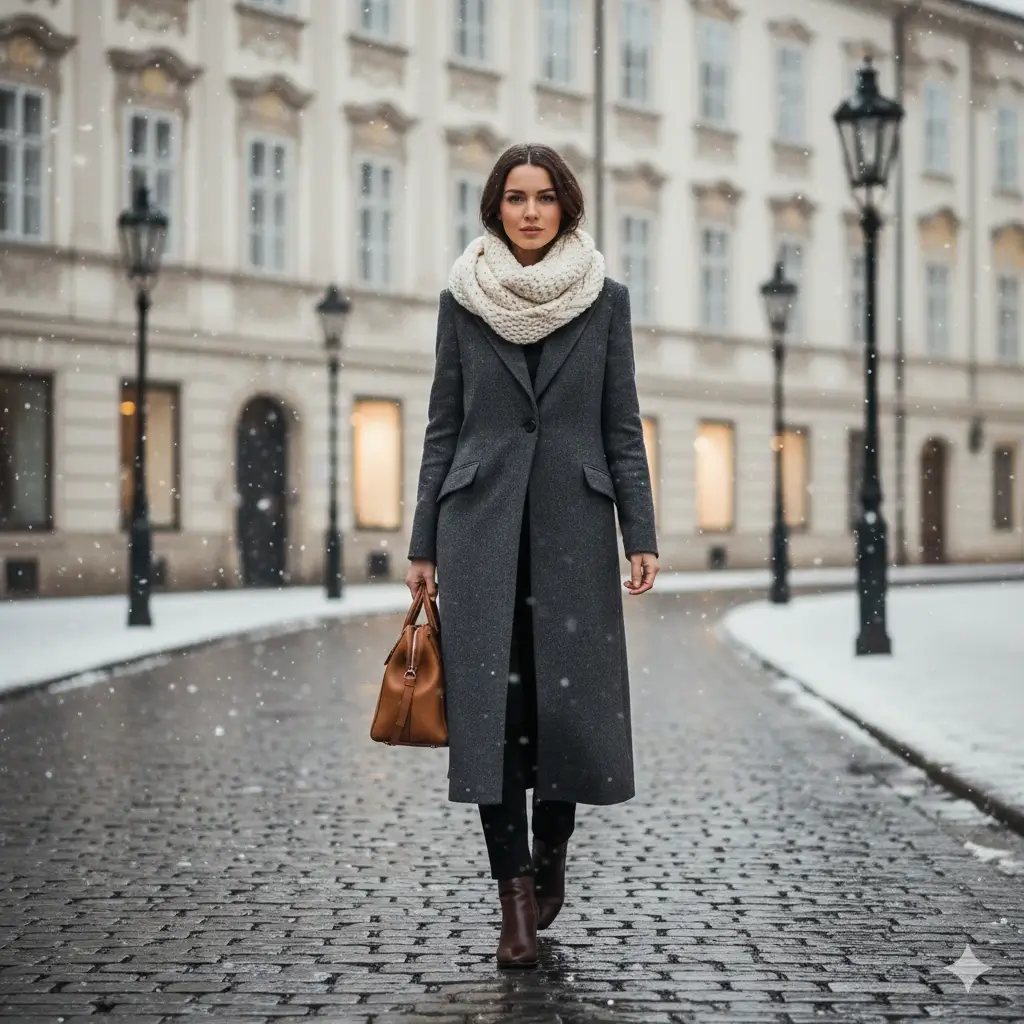
The smartest way to approach winter travel outfits for Europe is the capsule wardrobe method: a small collection of versatile, neutral-toned pieces that mix and match into dozens of combinations without taking up much space.
Choose a neutral color palette. Black, camel, navy, grey, and white form the backbone of most European winter wardrobes. These colors work with everything, photograph beautifully against historic architecture, and look naturally chic — which is exactly the aesthetic you see on the streets of Paris, Milan, and Copenhagen.
Tops and Sweaters
You’ll reach for sweaters and blouses every single day, so pack ones that earn their suitcase space. A chunky ribbed knit sweater in camel or cream is endlessly versatile — wear it over a thermal turtleneck for Paris walks, or pair it with tailored trousers for a dinner in Barcelona.
A couple of thin-knit turtlenecks in neutral colors are worth their weight in gold. Layer one under a blazer, under a heavier sweater, or under a wool dress. The detail of fabric peeking out from a collar or sleeve adds visual interest without adding bulk — a styling trick you’ll see constantly in Europe.
Pack 4–5 tops total: a mix of 2 sweaters, 1–2 turtlenecks or long-sleeve blouses, and 1 slightly dressier top for evenings out. Everything should work together in at least two or three combinations.
Pants, Jeans, and Skirts
Two to three bottoms is usually enough for a 7–10 day trip. A well-fitted pair of dark jeans is the workhorse of any European winter travel outfit — they look sharp, work with boots, and hold up to hours of walking. Look for a straight or slim cut that can be tucked into tall boots without bunching.
A pair of tailored black trousers adds versatility for dressier occasions — dinner restaurants in France and Italy tend to be smart-casual at minimum, and you’ll feel more comfortable in trousers than jeans in finer establishments.
If you love dresses and skirts, a sweater dress is your best friend in winter. Pair it with opaque tights and ankle boots for an outfit that looks deliberate and stylish while being genuinely warm. Tweed and boucle fabrics are heavier and more structured — ideal if you’re visiting the theatre, high tea in London, or a formal holiday event.
Planning long-haul flights before your trip? Don’t miss our guide on best sneakers for airport travel that actually make flying less miserable to stay comfortable from takeoff to touchdown.
Outerwear: The Most Important Decision You’ll Make
Your coat is the centerpiece of every winter travel outfit for Europe. It’s what people see first, it determines how warm you’ll actually be, and it takes up the most suitcase space — so choose carefully.
For Northern and Eastern Europe (Scandinavia, Germany, Poland, Austria, Switzerland in the mountains): a long down parka with a hood is the right call. Temperatures regularly drop below freezing, and wind chill is brutal in open squares and along rivers. A knee-length or longer parka traps heat efficiently and keeps your legs warm when you’re standing at a Christmas market for hours.
For Western Europe (France, Spain, the UK, the Netherlands, Portugal): a wool or wool-blend coat is often sufficient. London winters are famously grey and damp but rarely extreme — a structured wool overcoat handles most days perfectly. Paris in January calls for something similar: elegant, warm, and wind-resistant.If you’re visiting earlier in the year, read our complete guide to Winter Travel Outfits for Europe for colder destinations and snow-ready layering tips.
For Southern Europe (Italy, Greece, southern Spain, Portugal): a medium-weight wool coat or even a heavy blazer layered over thermals can be enough. Rome in December averages around 12°C — cold, but manageable with the right layers.
One coat is generally the right call for most trips. Wear it on the plane to save suitcase space, and choose a versatile neutral (black, camel, or navy) that works with everything else you’ve packed.
Shoes: Comfort, Grip, and Style All Matter
Nothing ruins a trip faster than wet, aching feet. Shoes are where many travelers compromise — and where they pay for it most. Your winter travel outfits for Europe are only as good as what’s on your feet.
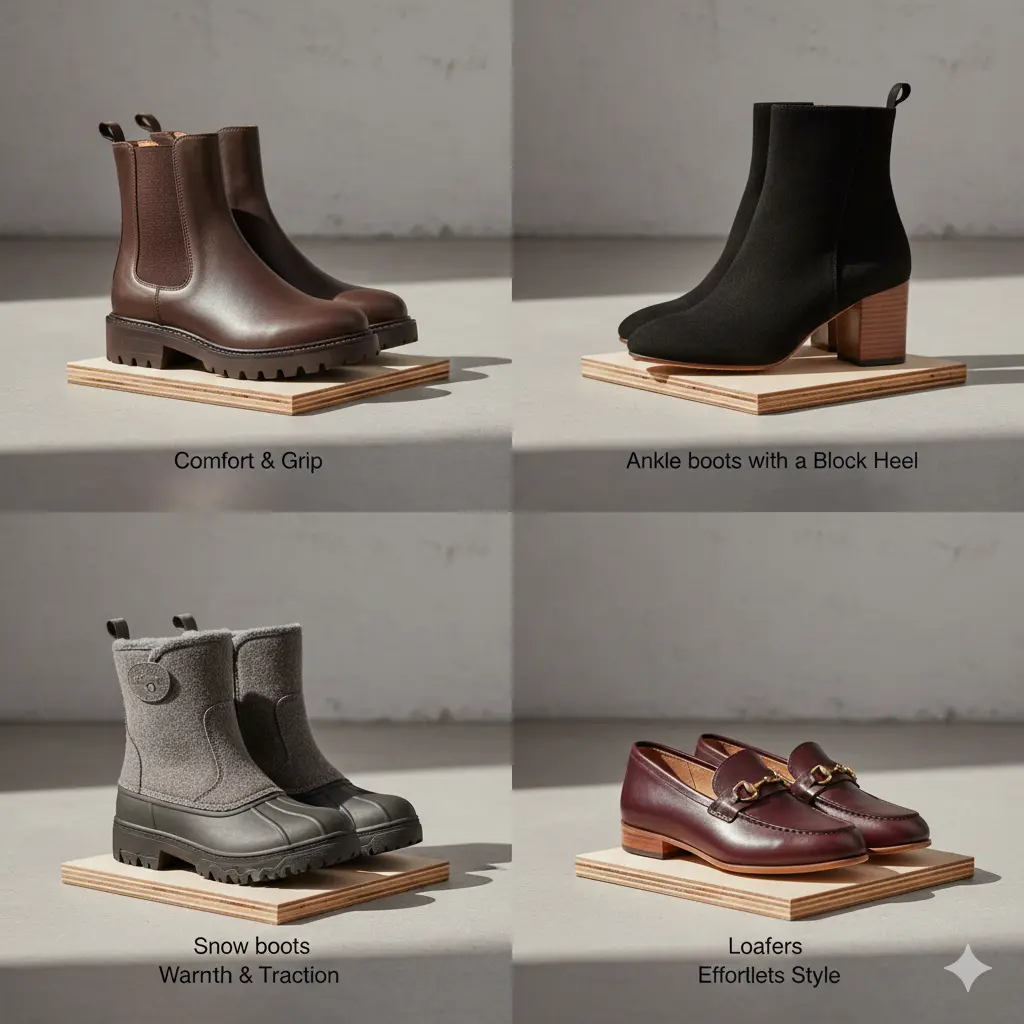
Chelsea boots are the most universally recommended shoe for European winter travel, and the recommendation exists because it’s earned. They’re easy to slip on and off (useful at security), have a slight heel that keeps your feet off wet ground, look polished with jeans and trousers alike, and are available in waterproof leather versions that handle rain and slush well.
Ankle boots with a block heel are another strong option — the block heel provides stability on uneven cobblestones, which is genuinely important. A stiletto on wet Roman cobblestones is a recipe for a bad day.
Snow boots should be packed if you’re heading anywhere with expected snowfall — the Alps, Scandinavia, or Eastern Europe in January or February. These are heavy, so wear them on the plane rather than packing them.
Loafers work well for milder destinations or as a dressier, more comfortable alternative to heels for evenings out. Pair with thick tights for warmth.
Pack a maximum of three pairs of shoes: your everyday walking boots, a pair of loafers or dressier shoes, and snow boots only if the itinerary calls for them.
Choosing the right shoes is crucial for cobblestone streets — see our complete breakdown of the best shoes for European travel for comfort and grip.
Accessories: The Difference Between Cold and Comfortable
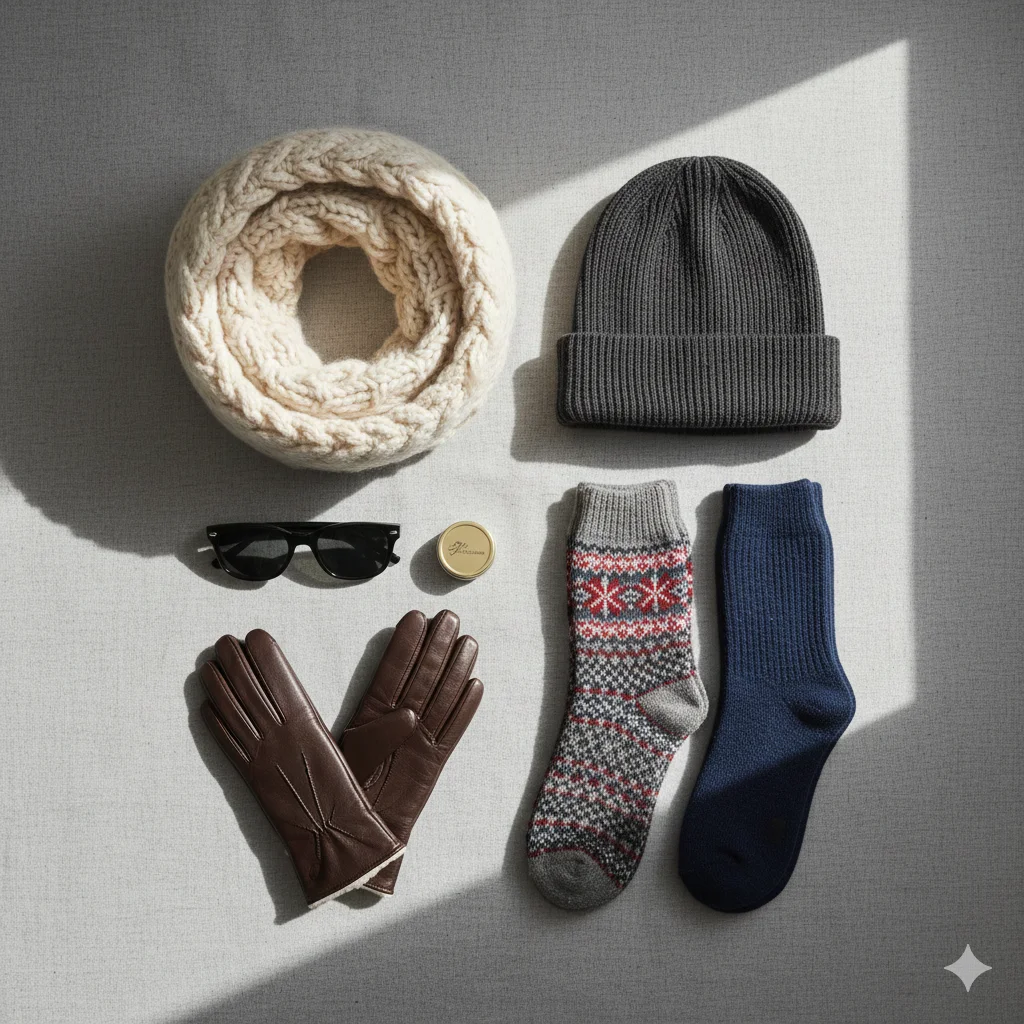
Accessories aren’t an afterthought in European winter travel — they’re functional essentials that complete your winter travel outfits for Europe and keep you comfortable in a way no coat alone can.
Scarves are non-negotiable. A large, quality scarf in a neutral or slightly bold color does triple duty: warmth, wind protection, and style. In a pinch, it can even double as a blanket on overnight trains. Wool or cashmere scarves are worth the investment.
Gloves feel optional until you’ve spent 20 minutes walking through Amsterdam in January with your hands in your pockets. Pack touchscreen-compatible gloves so you can use your phone without removing them — a small detail that matters constantly.
A warm hat is the most effective single item for heat retention. You lose a significant amount of body heat through your head. A beanie in cashmere or wool looks sleek under a hood or on its own, and takes up almost no space.
Wool or thermal socks are often forgotten until feet are cold and damp. Pack at least 3–4 pairs of thick socks — merino wool is again the gold standard.
A crossbody bag or anti-theft bag rounds out the practical side of your winter travel outfits for Europe. European cities have active pickpocket issues in tourist areas, and a bag you can keep in front of you while keeping your hands free for gloves and coffee is a smart choice.
Destination-Specific Outfit Advice
Paris and France
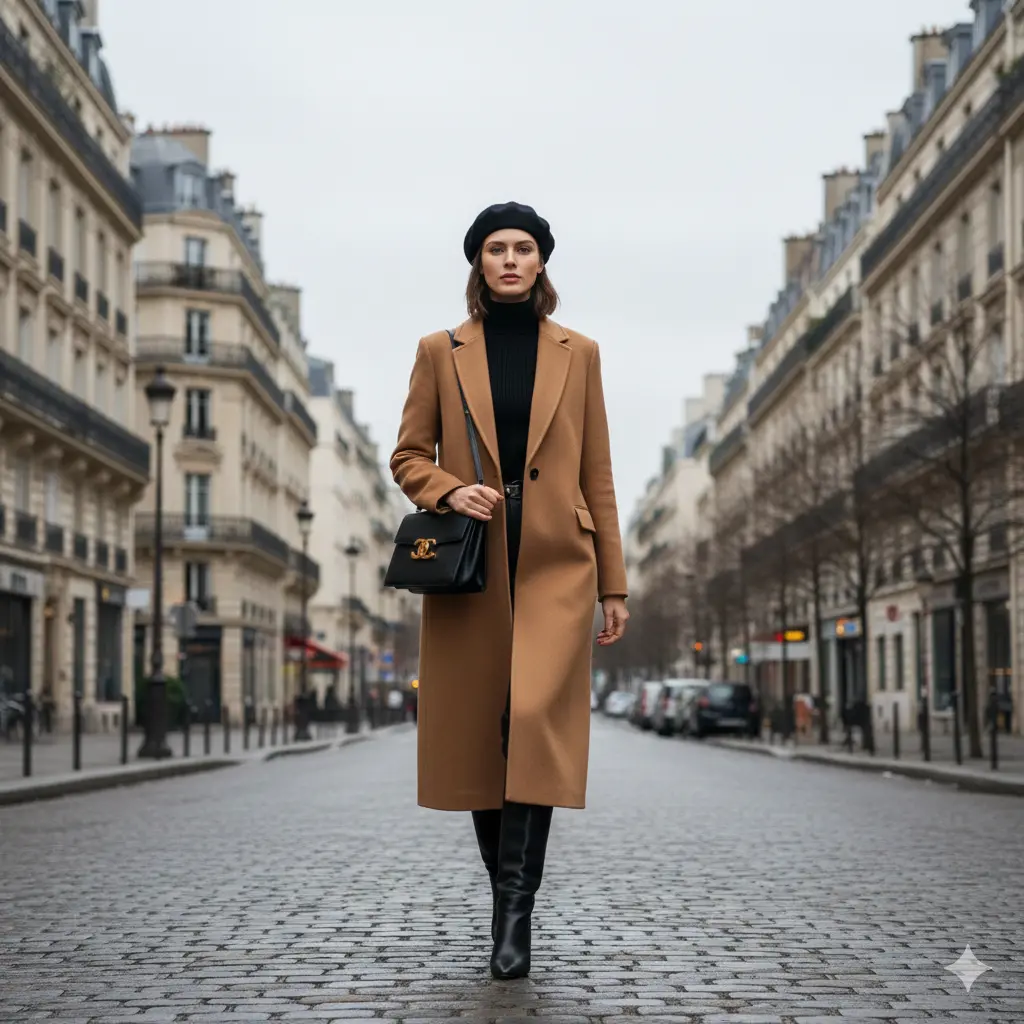
Paris in winter is all about chic, understated dressing. A camel wool coat, dark slim jeans, a silk blouse layered under a cashmere turtleneck, and Chelsea boots is essentially the Parisian winter uniform — and it works because it’s warm, elegant, and effortless. Avoid overly sporty looks in the city; Parisians tend toward tailored.
The UK and Ireland
Rain is the defining weather feature here. Prioritize a waterproof or water-resistant outer layer — a wool coat with a wind-resistant lining is ideal. Pack a compact umbrella (a travel-size folding one) rather than relying on a hood alone. Layers are essential as temperatures can feel milder than expected but wind makes it biting.
Scandinavia (Norway, Sweden, Denmark)
These destinations require your heaviest cold-weather gear. Think long down parkas, thermal base layers, snow-rated boots, and your best gloves and hat. That said, Scandinavian cities like Stockholm and Copenhagen are extremely design-conscious — you can be warm and stylish simultaneously with the right pieces.
Italy
Italian winters vary dramatically by region. Milan and Venice in January are genuinely cold and can have fog and dampness. Rome is milder. Focus on elegant layering rather than extreme cold gear — a structured wool coat, beautiful sweaters, and leather boots are both practical and appropriately stylish for a country where fashion is taken seriously.
Portugal and Southern Spain
These are the gentlest winter destinations in Europe. Lisbon and Seville rarely drop below 10°C. A medium-weight coat, a few sweaters, and comfortable walking shoes cover most situations. You may find yourself removing layers mid-afternoon on sunny days.
Quick Packing Checklist for Winter Travel Outfits in Europe
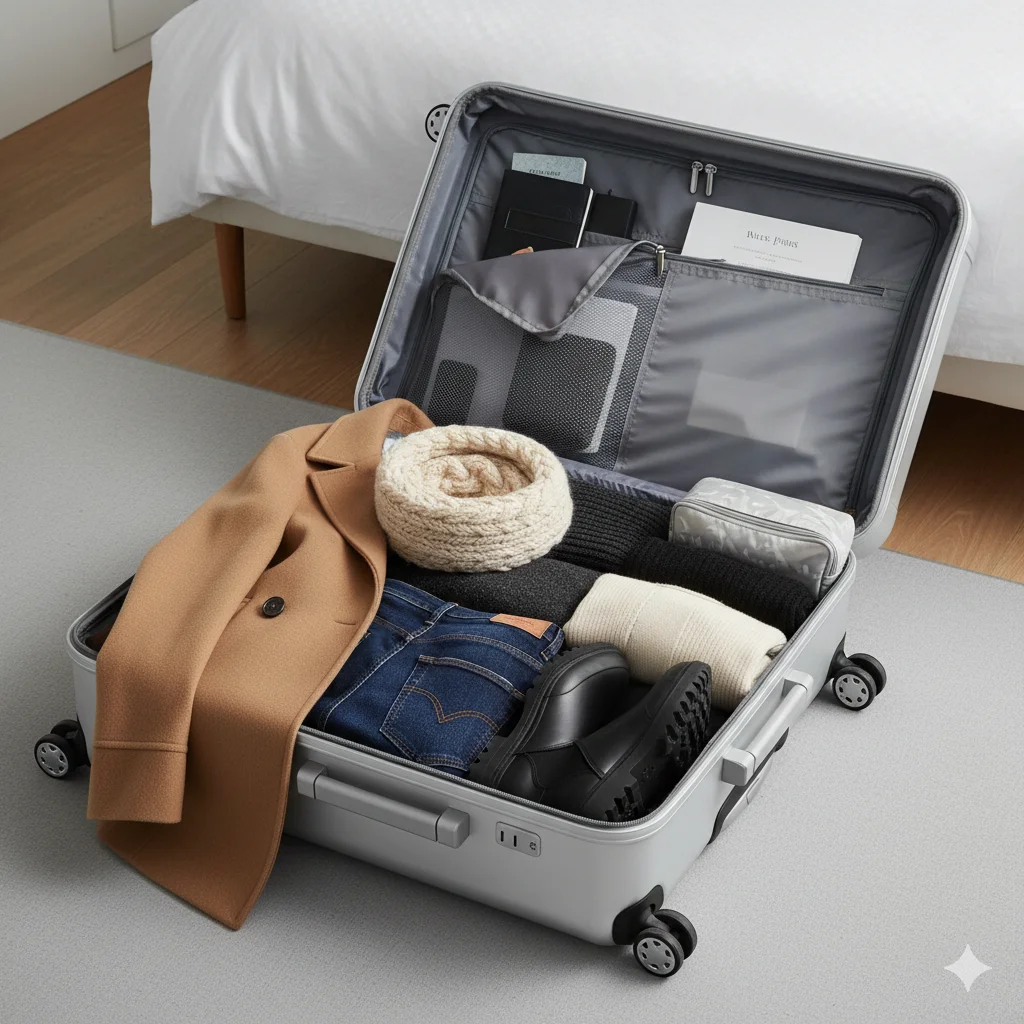
Clothing:
- 1 long wool or down coat
- 2–3 sweaters or knits
- 1–2 turtlenecks (thin, for layering)
- 2–3 long-sleeve tops or blouses
- 2 pairs of trousers or jeans
- 1 sweater dress or skirt (optional, with tights)
- 4–5 pairs of thermal or wool socks
- Thermal leggings and top (base layer set)
Shoes:
- Chelsea boots or waterproof ankle boots
- Dressier loafers or block-heel boots
- Snow boots (only if needed for destination)
Accessories:
- Wool or cashmere scarf
- Touchscreen-compatible gloves
- Warm beanie or hat
- Compact umbrella
- Anti-theft crossbody bag
❓ FAQ: Winter Travel Outfits for Europe
What should I wear in Europe during winter?
Wear layered outfits including a thermal base layer, wool sweater, insulated coat, scarf, gloves, and waterproof boots. European winters can range from 0°C to 10°C in cities like Paris and Rome, and below freezing in Switzerland.
Are jeans okay for Europe in winter?
Yes, but choose thicker denim or wear thermal leggings underneath. Regular thin jeans are not warm enough for freezing temperatures.
Do I need a heavy coat for Europe in December?
In Northern and Central Europe, yes. A wool coat or insulated puffer jacket is essential. Southern cities like Rome are milder but still require warm outerwear.
What shoes should I wear in Europe in winter?
Waterproof ankle boots with good grip are ideal for cobblestone streets and possible snow. Avoid sneakers without insulation in colder regions.
How do Europeans dress in winter?
Europeans typically dress in neutral tones with structured coats, scarves, and leather boots. Style is polished but practical.
Final Thoughts
Packing the right winter travel outfits for Europe comes down to three principles: layer strategically, choose quality fabrics over quantity, and prioritize comfort without sacrificing style. Europe’s winter is genuinely beautiful — Christmas markets glittering with lights, snow-dusted historic squares, cozy cafés and museums with no summer crowds. You deserve to enjoy all of it without shivering on a street corner wishing you’d packed differently.
Start with a strong base layer, anchor your outfits with a quality coat and reliable boots, and let accessories carry the warmth and personality. Check the forecast for your specific destinations in the week before you leave and make any final adjustments. Pack less than you think you need — you’ll thank yourself on every cobblestone street.
Further Reading and Resources
For more guidance on packing smart for cold-weather travel, these high-authority resources are worth exploring:
- REI’s guide to layering for cold weather — excellent breakdown of base, mid, and outer layer principles from a trusted outdoor retailer
- Condé Nast Traveler’s Europe travel guides — destination-specific advice and seasonal travel tips
- Lonely Planet’s Europe destination guides — practical destination information including climate and what to expect by season
- The Economist’s travel section — for understanding European culture and travel context

Jitu Niranjan is a travel fashion writer and the founder of Travel in Styles. With three years of experience curating outfit guides and packing strategies for women travelers, he covers everything from airport looks to destination dressing across beaches, cities, and beyond. Follow his curation on Pinterest.